The short version
- The number is the share of visible light the film lets through. 5% is the darkest we offer, and 75% is nearly clear.
- 20% is our most requested shade: dark and clean without going full limo.
- Michigan's tint rules are specific to each set of windows and differ from most states. We walk you through what is legal for your vehicle.
- After the install, leave the windows up for 3 to 4 days.
What the percentage means
Every tint film is rated by how much visible light it lets through the glass. A 5% film lets through 5% of the light, so from outside the window reads close to black. A 75% film lets through most of it and is hard to spot on the car.
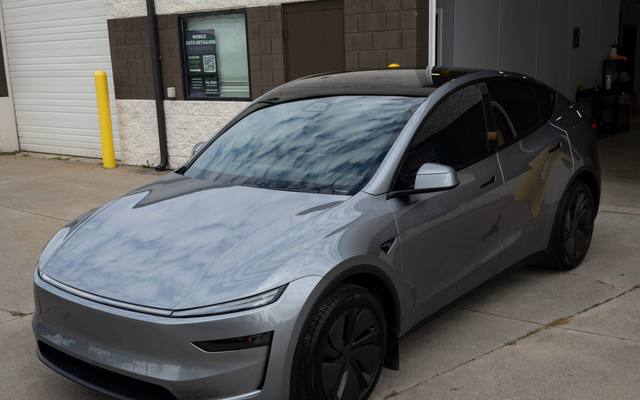
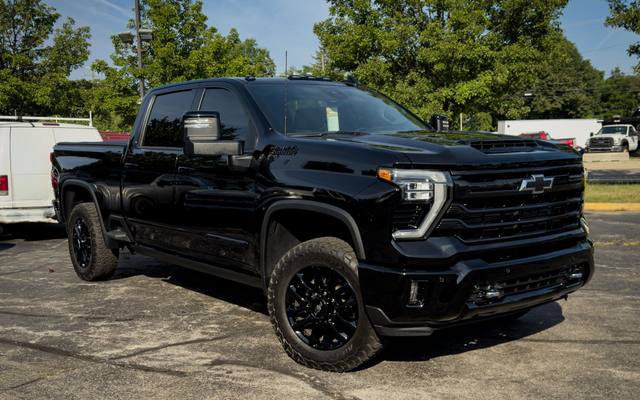
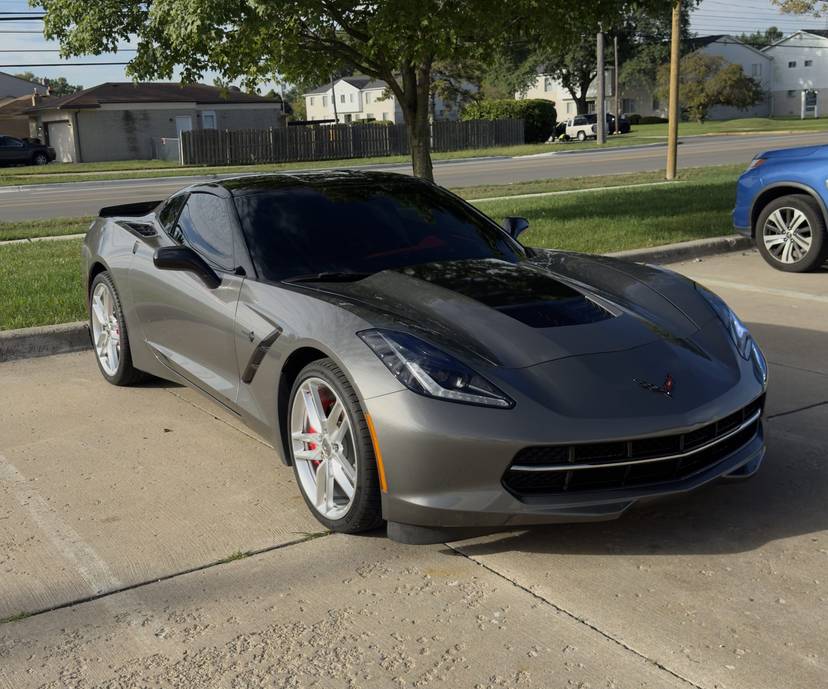
The same film can look a little different from one vehicle to the next. Factory glass carries a slight shade of its own, and many SUVs and trucks leave the factory with darker privacy glass in the back, so film on top of it reads darker. That is one reason we show you real Geoshield samples on glass at the shop instead of asking you to pick from a chart.
The five shades we install
- 5%, Limo. The darkest we offer. Maximum privacy and the sleekest look. From outside, the glass reads black. Privacy: max. Seeing out: minimal.
- 20%, The Classic. Our most-requested shade. Dark, clean, and uniform without going full limo. Privacy: high. Seeing out: low.
- 35%, Balanced. Clearly tinted but easy to see out of, day or night. The all-rounder. Privacy: medium. Seeing out: medium.
- 50%, Subtle. A light smoke that takes the edge off glare and heat while staying understated. Privacy: low. Seeing out: high.
- 75%, Near-clear. Almost invisible on the car. Heat and UV protection with a near-factory look. Privacy: minimal. Seeing out: max.
Want to compare them on a car? Our tint shade preview lets you step through all five. The picture there is an illustration and on-screen shades are an approximation, so the samples on glass at the shop are the final word.
Michigan tint rules
Michigan's window tint rules are specific to each set of windows on the vehicle, and they are different from most other states, so what was legal on a car you owned somewhere else may not be here. We do not leave you guessing. During your consultation we walk you through what is legal for your exact vehicle, including your options for darker rear windows and, if you have a light-sensitive condition, Michigan's medical exemption process.
The shade you choose is your call. Our job is to make sure you choose it knowing the rules. This is general information, not legal advice.
How to choose
- Start with why you want tint. Privacy, heat, glare, the look, or keeping the sun off kids in the back. Privacy points to a darker shade.
- For heat, look at the film before the shade. Darkness cuts glare, but infrared rejection is what keeps a cabin cool, and that is where ceramic film pulls ahead. See carbon or ceramic tint.
- Think about night driving. The darker the glass, the harder it is to see out of after dark, especially when backing up. Look at the seeing out rating above before going to 5%.
- Front and rear do not have to match. Plenty of drivers want the rear darker than the front. We go over what fits your vehicle and the rules.
- See it on glass. Ask to see the samples at the shop. It takes a minute and saves you second-guessing later.
The first week after tinting
Give it 3 to 4 days before you roll the tinted windows down, so the film fully bonds to the glass. Rolling them down too early is the one thing that can peel a fresh edge, so set a reminder and leave them up.
During the first week you may notice small water pockets or a light haze in the film. That is normal. It is moisture left from the install, and it clears on its own as the film cures. When you clean the inside of the glass later on, a soft microfiber cloth and an ammonia-free glass cleaner keep the film looking new.
Our Geoshield C2 Carbon and C2 Ceramic films carry a lifetime warranty covering bubbling, peeling and fading. Prices start from $99.99 for the front two windows of a standard coupe or sedan in carbon film. Request a free quote, or call or text (586) 400-1303 and tell us what you drive.